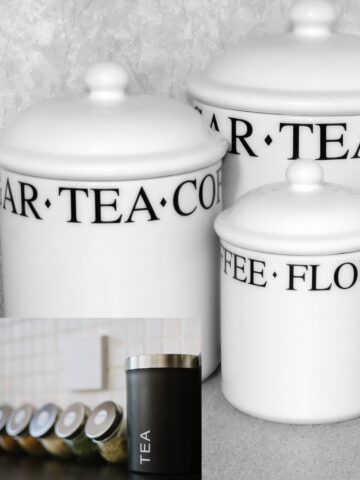
How to store loose leaf tea: keep it in an airtight container in a cool, dark, dry place, away from strong smells. Those few simple rules keep your tea fresh and tasty much longer.
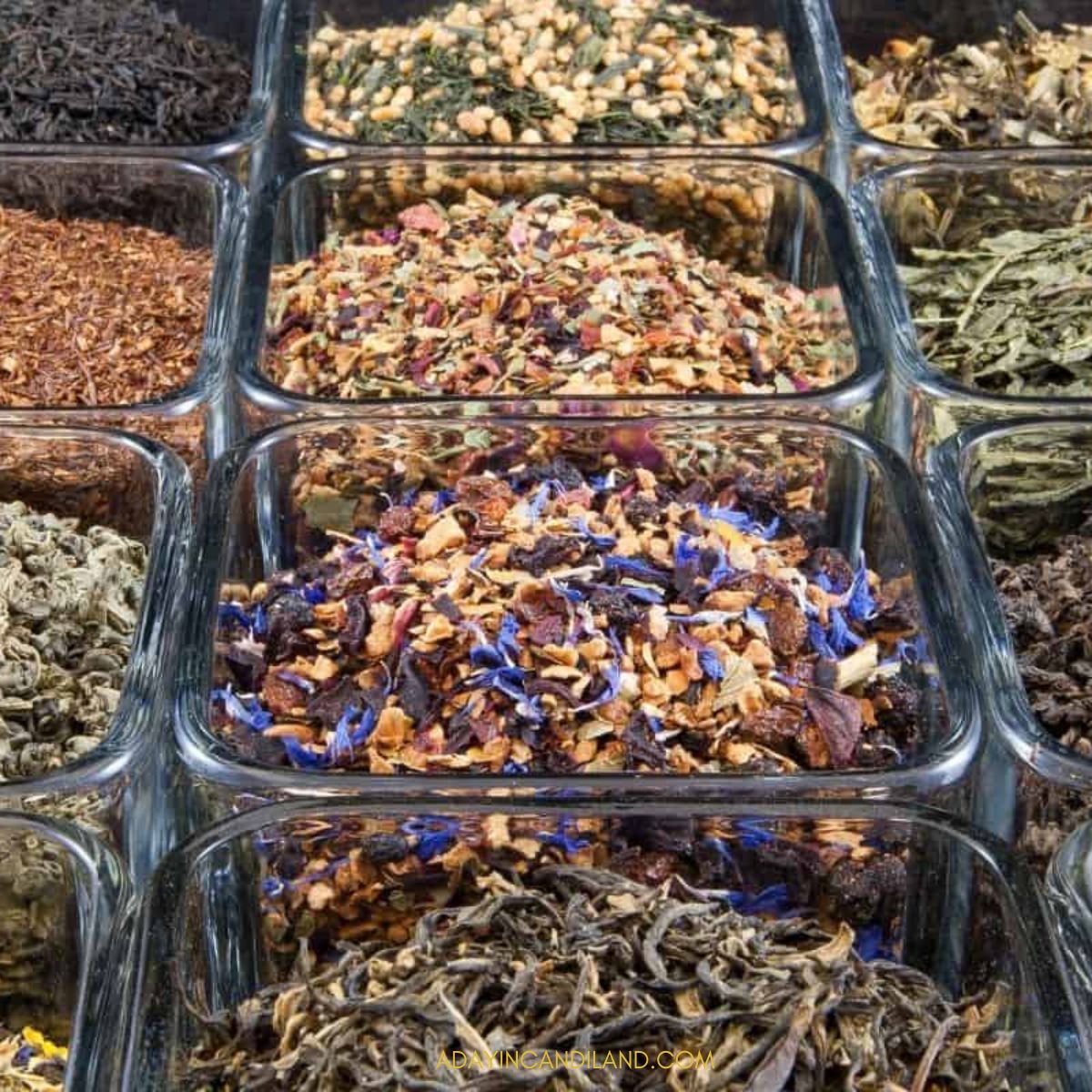
Loose leaf tea has become very popular, and many people enjoy drinking it at home, especially during the cooler months. While it is eco friendly and tasty, it does need a little special care. Follow this simple guide to keep your tea fresh and incredibly delicious.
Looking for pretty ways to keep it organized? See my tea storage ideas.
Quick Look
- 🫙 Container: airtight, opaque or kept in the dark
- 🌑 Place: cool, dark and dry, like a cupboard
- 🔥 Keep Away From: heat, light, moisture and strong smells
- 🍃 Delicate Teas: green and white tea can go in the fridge, sealed
- 📦 Fill It Up: a full container means less air
- 🕰️ Aging Teas: pu’erh and some oolongs are stored differently
Quick Answer
To store loose leaf tea, keep it in an airtight container in a cool, dark, dry place, away from heat, light, moisture, and strong odors such as spices and coffee. Fill the container as full as you can so there is less air inside. Delicate green and white teas can be kept in the refrigerator in a well sealed container; let it reach room temperature before opening so no moisture forms on the leaves.
Jump to:
The Five Enemies of Fresh Tea
Click to see what makes tea go stale
- Oxygen. Air slowly oxidizes tea and changes its taste.
- Heat. Even low heat speeds up oxidation.
- Light. Light breaks down the leaves and can make tea taste bitter.
- Odors. Tea leaves absorb the scents around them.
- Moisture. Tea is hygroscopic, which means it pulls moisture from the air and loses flavor and aroma.
Rules of Thumb for Tea Storage
- Store tea in an airtight glass jar to prevent oxidation.
- Keep it in a dark, cool, and dry place.
- Don’t store tea near other foods.
- Keep it away from strong smells.
Follow these rules and you should be able to enjoy your tea before its taste fades.
Why Tea Goes Stale
Tea comes from the leaves of the Camellia sinensis plant. Once the leaves are dried, they can become loose leaf tea, go into tea bags, or be rolled into small balls. Stored correctly, tea can last a long time. Here is more on how tea is made.
Tea loses its flavor mainly through oxidation, when the leaves are exposed to oxygen. It is a slow process, but you can taste it. Teas prized for their light, fresh taste, such as green tea, yellow tea, and white tea, are the most delicate; when they oxidize they turn more bitter and acrid.
Black tea is already fully oxidized during processing, and oolong (sometimes written wulong) is partly oxidized, so you are less likely to notice a change in them. Still, it is worth following the same storage rules.
How to Store Tea You Are Aging
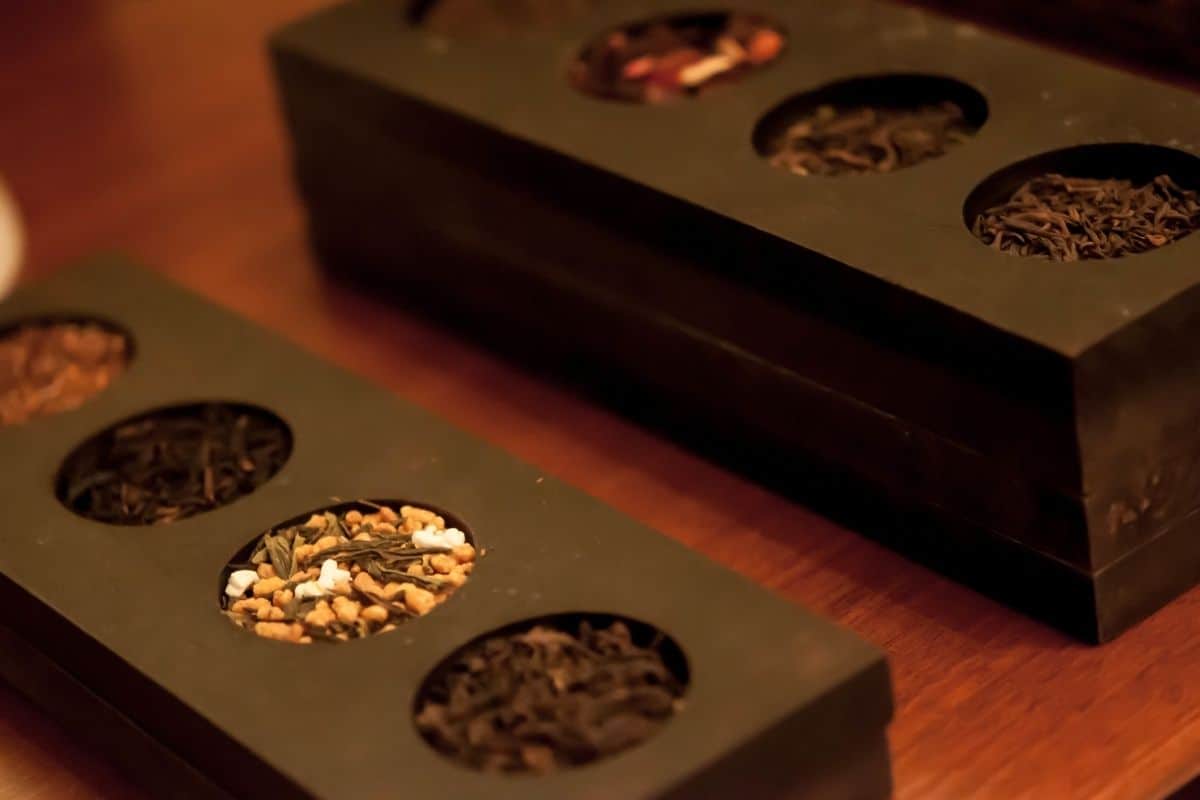
Some teas are aged on purpose so they change and improve over the years. These are stored differently depending on how they are being aged.
Sealed Aging
Some oolong teas are kept in sealed containers and left to mature for several years, slowly changing from the small amount of oxygen trapped inside. This takes a long time.
Unsealed Aging
Pu’erh is made from fermented tea leaves, so it is usually not sealed away from the air. A small, controlled amount of humidity helps it keep fermenting, and pu’erh develops a deep, robust flavor over time.
How to Store Loose Leaf Tea Step by Step
- Choose an airtight container, such as a glass jar kept in a dark cupboard, or an opaque tin.
- Fill it as full as you can. Shake it to settle the leaves, then top it up. Less empty space means less oxygen.
- Seal it tightly so no moisture or odors get in.
- Store it somewhere cool and dark, away from the stove, oven, radiators, and sunny windows.
- Keep it away from spices and coffee, since tea absorbs their smells.
- For delicate green and white tea, you can store the sealed container in the fridge or freezer. Let it come to room temperature before opening so no moisture forms on the leaves.
Tea Storage Tips
- Vacuum sealing is great for long term storage, but skip it for delicate rolled oolongs because it can crush the leaves. Tea sellers sometimes flush delicate teas with nitrogen before sealing instead.
- Oxygen absorber packets (iron powder packets) help in long term storage.
- Buy in amounts you will use within a few months for the freshest flavor.
- Label your tins with the tea name and date you opened them.
- Wondering if it is too old? Read does tea expire and does brewed tea go bad.
- Matcha is extra delicate. Keep it sealed and cold. More in my post on matcha.
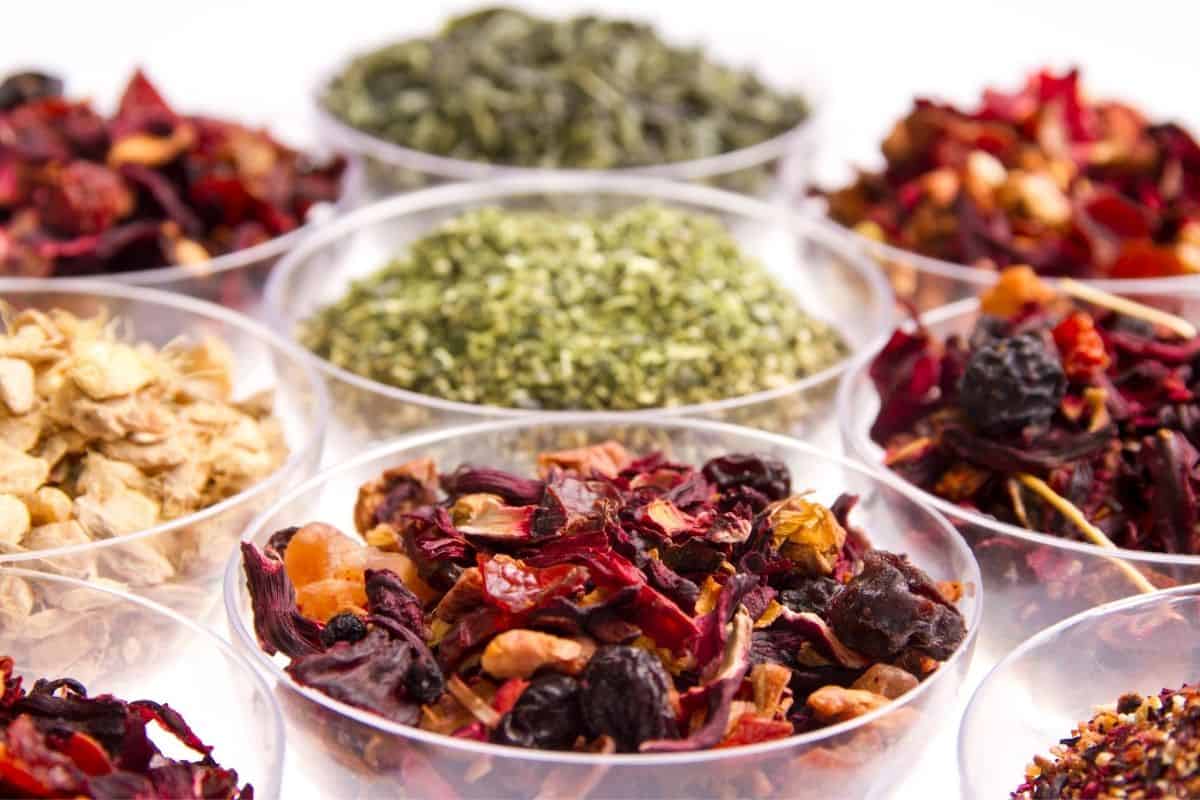
Enjoying Your Fresh Tea
Now that your tea is stored well, enjoy it at its best. Here is how to make a pot of tea, and my picks for the best electric tea kettles.
Want to try new teas? See my favorite tea subscription boxes, read about organic tea, or find gifts for tea lovers. More tea articles: How Tea Is Made, How to Grow Black Tea, How to Grow an Herbal Tea Garden, and all my Tea Guides.
Loose Leaf Tea Storage FAQs
An airtight container that keeps out light, such as an opaque tin or a glass jar stored in a dark cupboard.
Most tea does fine in a cool cupboard. Delicate green and white teas can go in the fridge or freezer in a well sealed container. Let it reach room temperature before opening.
Stored well, most tea keeps its best flavor for months. Delicate green and white teas fade faster than black tea, and aged teas like pu’erh change over years.
It’s best not to. Tea leaves absorb the smells around them, so keep tea away from spices, coffee, and other strong odors.
A full container has less air inside, so the tea oxidizes more slowly. Shake it to settle the leaves and top it up.
Pu’erh is aged with a little air and humidity, so it is usually not sealed airtight. Keep it away from strong smells and direct light.