
How is tea made? Every true tea starts as fresh leaves from the same plant. What happens next, how the leaves are wilted, rolled, oxidized, heated, and dried, is what turns them into black, green, white, yellow, or oolong tea.
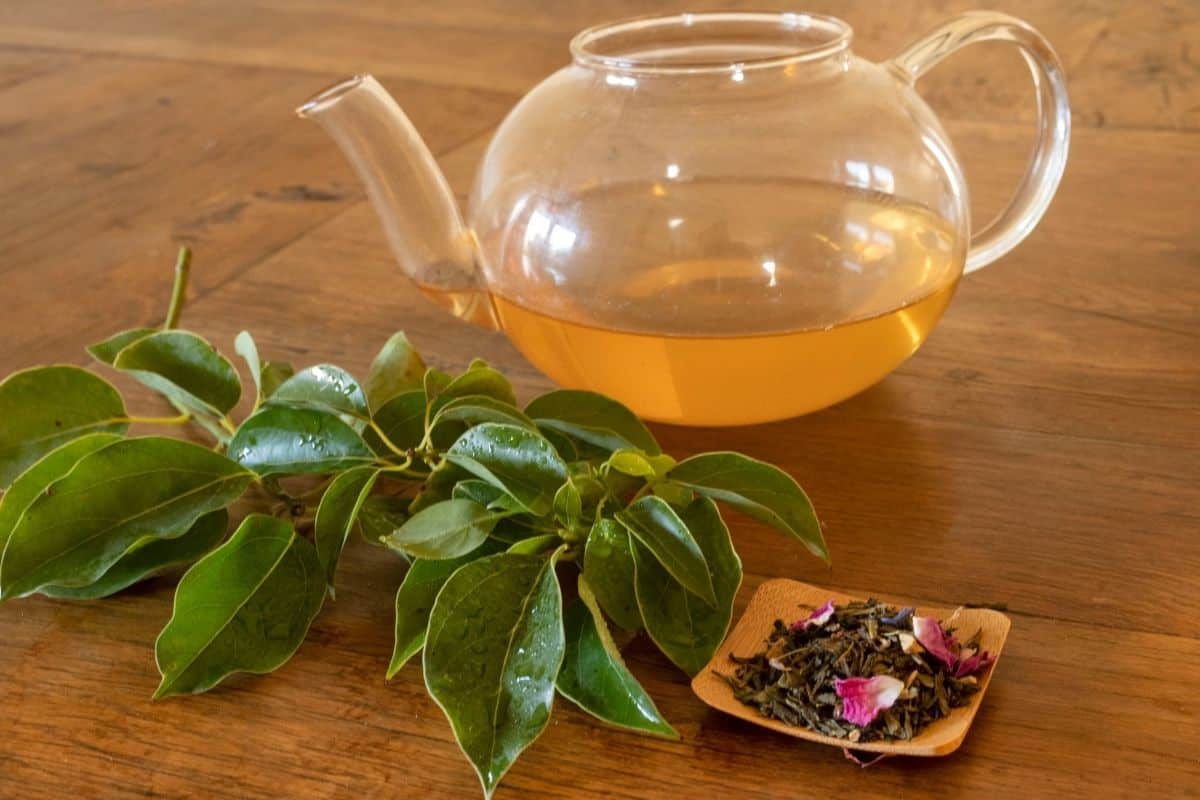
If you don’t count water, tea is one of the most commonly consumed drinks on Earth. We’ve all seen the tea bags you just pour hot water over, but where does that tea actually come from? How is it made and processed? And how does this differ for different kinds of tea?
Read on to find out! If you are new to tea, my Tea Guides page has a beginner’s guide for each type.
Quick Look
- 🌱 The Plant: Camellia sinensis, native to China and East Asia
- 🍃 Same Leaf, Many Teas: black, green, white, yellow and oolong
- 🔄 The Big Difference: how much the leaves oxidize
- ☕ Black Tea: rolled or crushed, then fully oxidized
- 🍵 Green Tea: heated right away, so it does not oxidize
- 🫖 Oolong: partly oxidized, somewhere in between
Quick Answer
Tea is made from the leaves of the Camellia sinensis plant. After the leaves are picked, they are wilted and then processed in different ways. For black tea, the leaves are rolled or crushed and fully oxidized before drying. For green tea, the leaves are heated by steaming or pan firing so they do not oxidize, then rolled and dried. White tea is withered and dried with very little handling, yellow tea adds a slow yellowing step, and oolong is only partly oxidized.
Jump to:
Where Does Tea Come From?
Click to see the short version
- One plant. Black, green, white, yellow, and oolong tea all come from Camellia sinensis, a plant native to China and other countries in East Asia.
- Many varieties. There are hundreds, if not thousands, of cultivars, and different countries and regions often have their own special varieties.
- Processing makes the difference. The way the leaves are handled after picking decides which kind of tea you end up with.
- Herbal tea is different. Chamomile, peppermint, and other herbal teas are made from other plants, so they are not true tea.
Why the Process Matters
- It explains the flavor. Strong and malty, grassy and fresh, or soft and delicate all come from the same leaf.
- It explains the color, from the deep amber of black tea to the pale gold of white tea.
- It helps you choose a tea you’ll actually enjoy.
- It helps you brew it well, since each type likes a different water temperature. Here is how to make a pot of tea.
- It makes tasting more fun. Keep notes in a tea tasting journal.
The Tea Plant
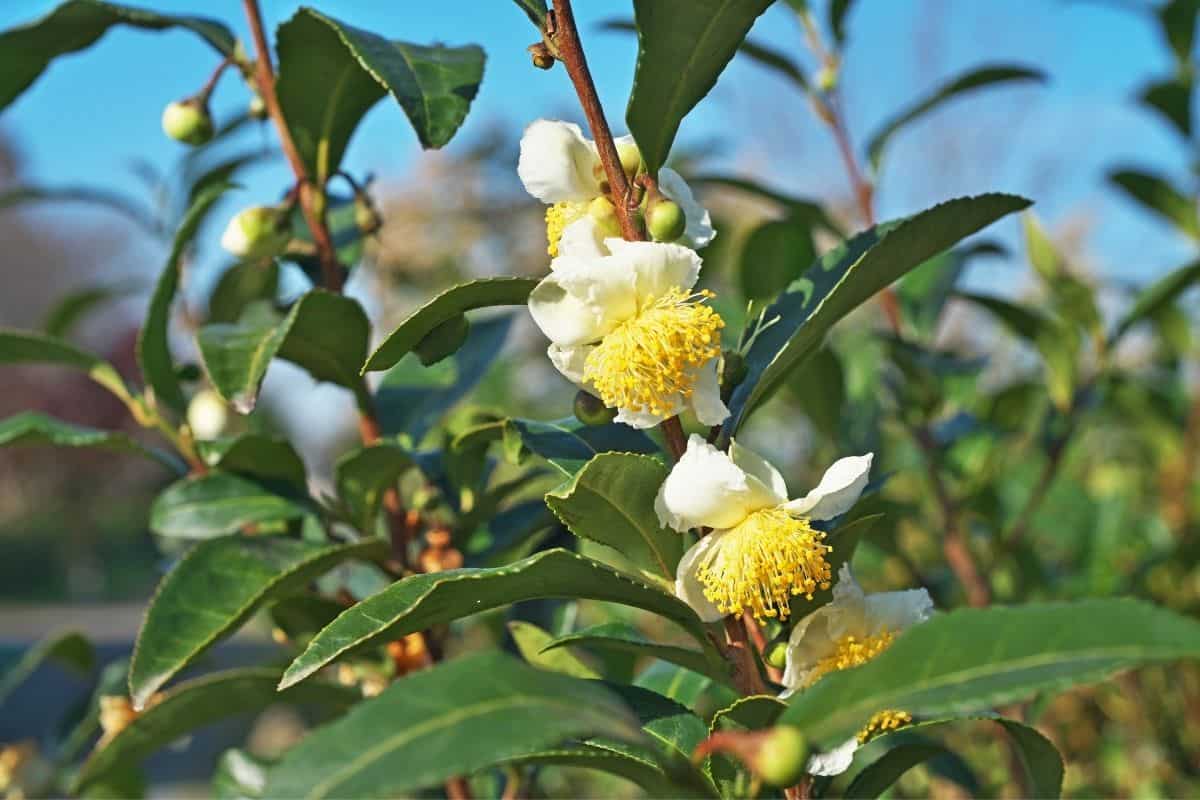
The plant that tea comes from is more formally known as Camellia sinensis. This can come as a surprise to some people, who often assume that the different types of tea come from different plants.
This is not the case, although there are hundreds, if not thousands, of different cultivars of Camellia sinensis. Different countries and regions often have their own special varieties, but overall, they come from the same plant.
Curious about the plant itself? Read how to grow black tea, or start an indoor tea garden.
How Each Type of Tea Is Made
In most western countries, by far the most commonly drunk kind of tea is black tea. That’s just one type of tea, though. Green tea, white tea, yellow tea, and oolong tea all come from the same plant, but all of them are different, and that’s due to how they’re made.
Black Tea
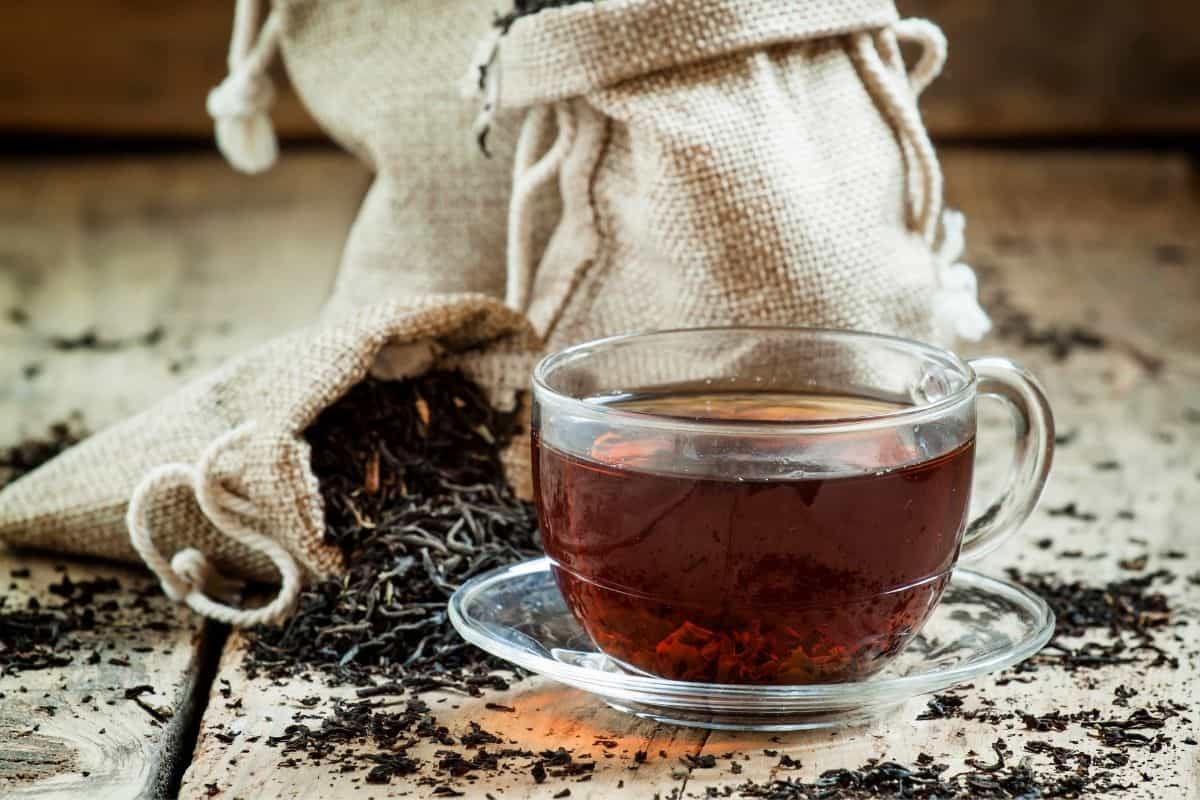
This is the most commonly drunk kind of tea outside of East Asia. Fresh tea leaves are wilted, either in the sun or indoors, and then rolled or lightly crushed. Crushing releases the leaves’ natural juices, which react with oxygen to develop the aroma and flavor of the tea.
The leaves are then fully oxidized. You may hear this called fermenting, but it is really oxidation, the same thing that turns a cut apple brown. It breaks down the chlorophyll and darkens the leaves, which is why black tea is so dark and strong. Finally, the leaves are dried to stop the process. Black tea meant for tea bags is often cut into small pieces using the crush, tear, curl (CTC) method.
More in my Beginner’s Guide to Black Tea and my guide to Earl Grey tea.
Green Tea
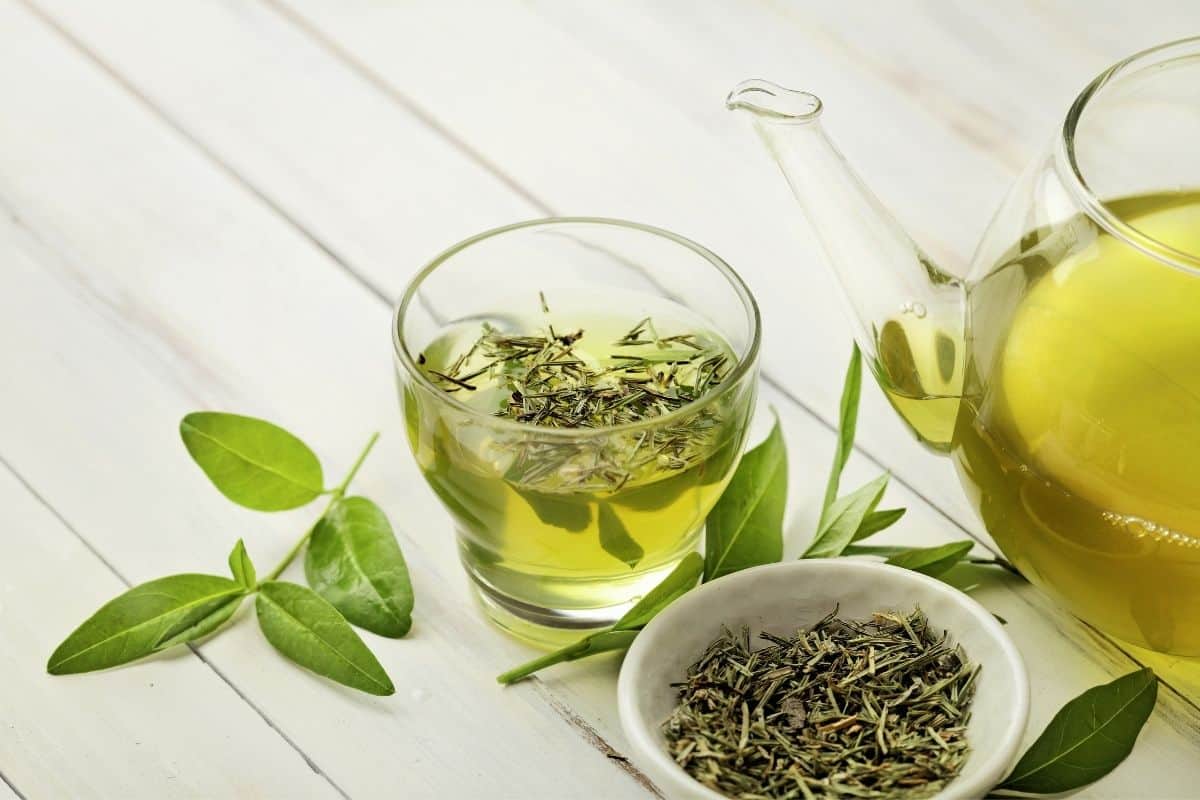
Green tea is one of the most popular drinks in East Asia, and it tastes quite different from black tea. The leaves are not crushed or oxidized. Instead, they are heated soon after picking, either with moist heat by steaming or dry heat by pan firing. Then they are rolled and dried.
That is why green tea tastes more natural, mild, and grassy. Pan firing gives a more toasty, nutty, sweet tea, while steaming gives a fresher, more vegetal cup. More in my Beginner’s Guide to Green Tea and my post on matcha.
White Tea
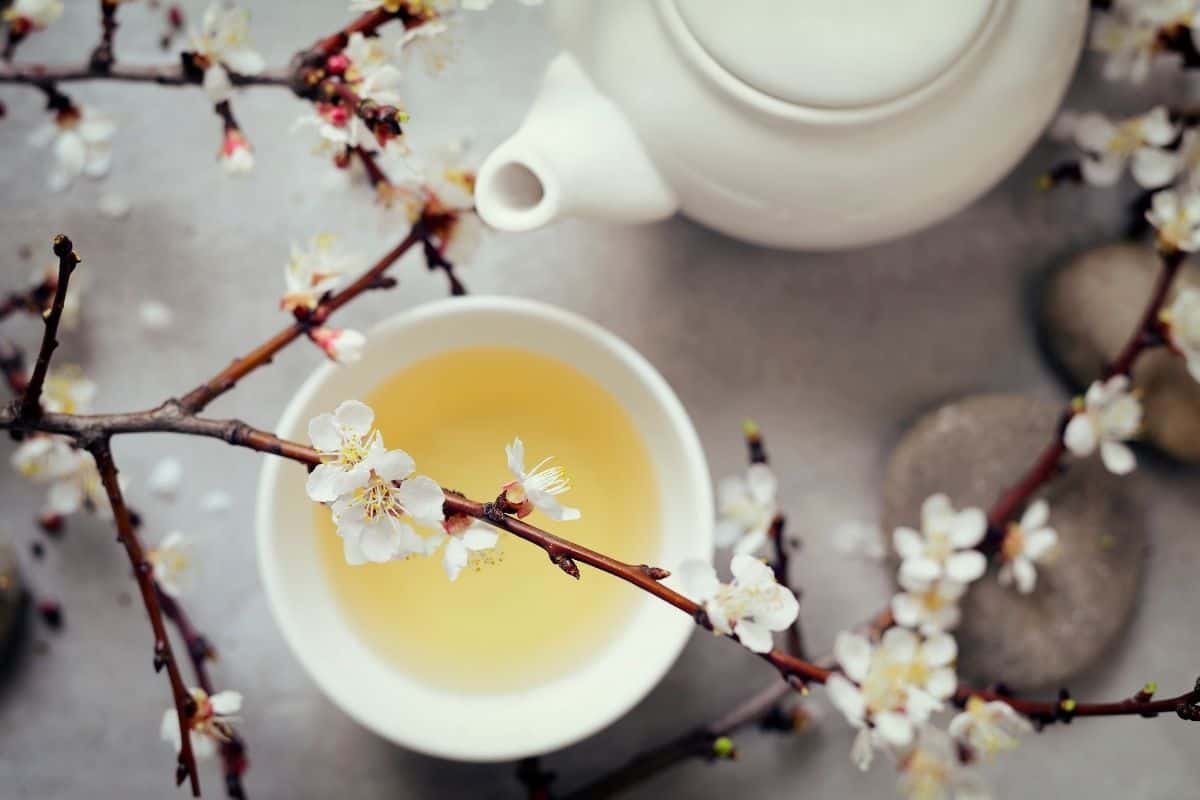
White tea is the least processed tea of all. The young leaves and buds are simply withered and then gently dried, with little or no rolling. The flavor is soft and delicate, lighter than green tea and much gentler than black tea. More in my Beginner’s Guide to White Tea.
Yellow Tea
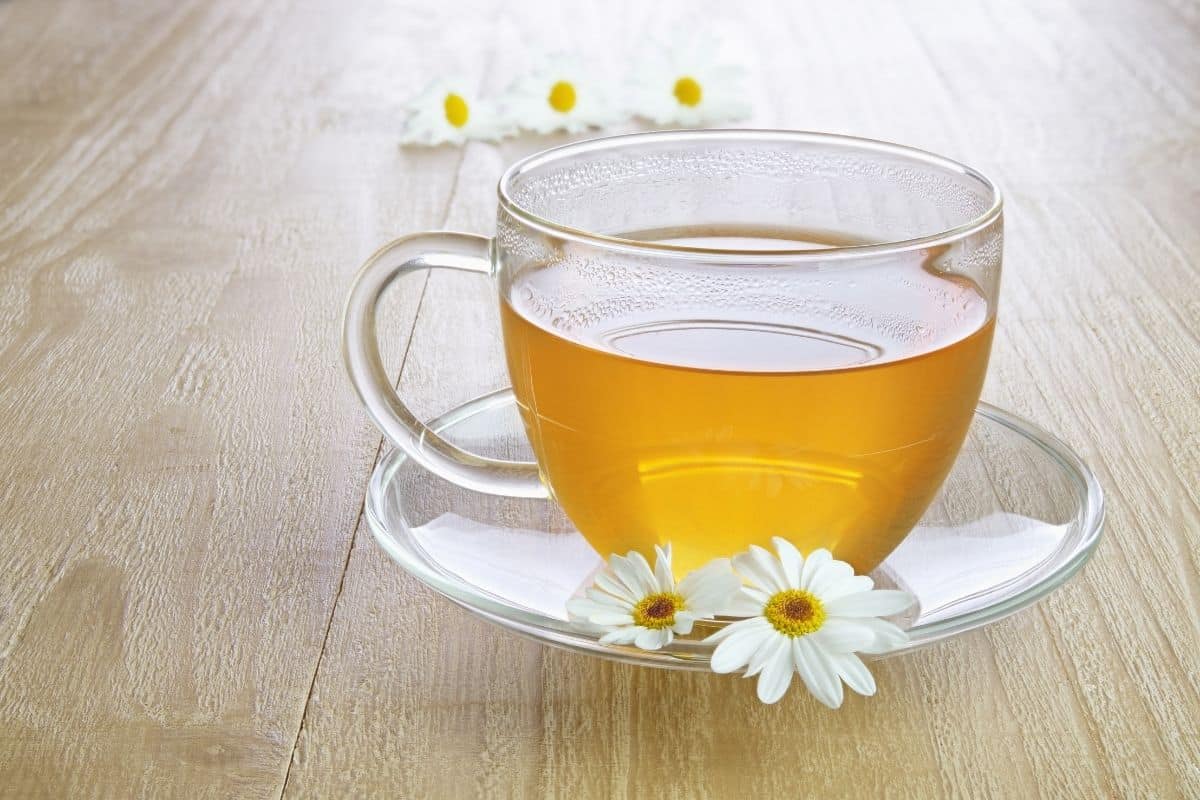
Yellow tea is quite a rare and expensive kind of tea, particularly outside of East Asia. It’s made much like green tea, with one very important extra step. After heating, the warm leaves are wrapped or covered for a while, which lets them yellow slowly. The result is a softer, more mellow tea, without the grassy smell of green tea.
Oolong Tea
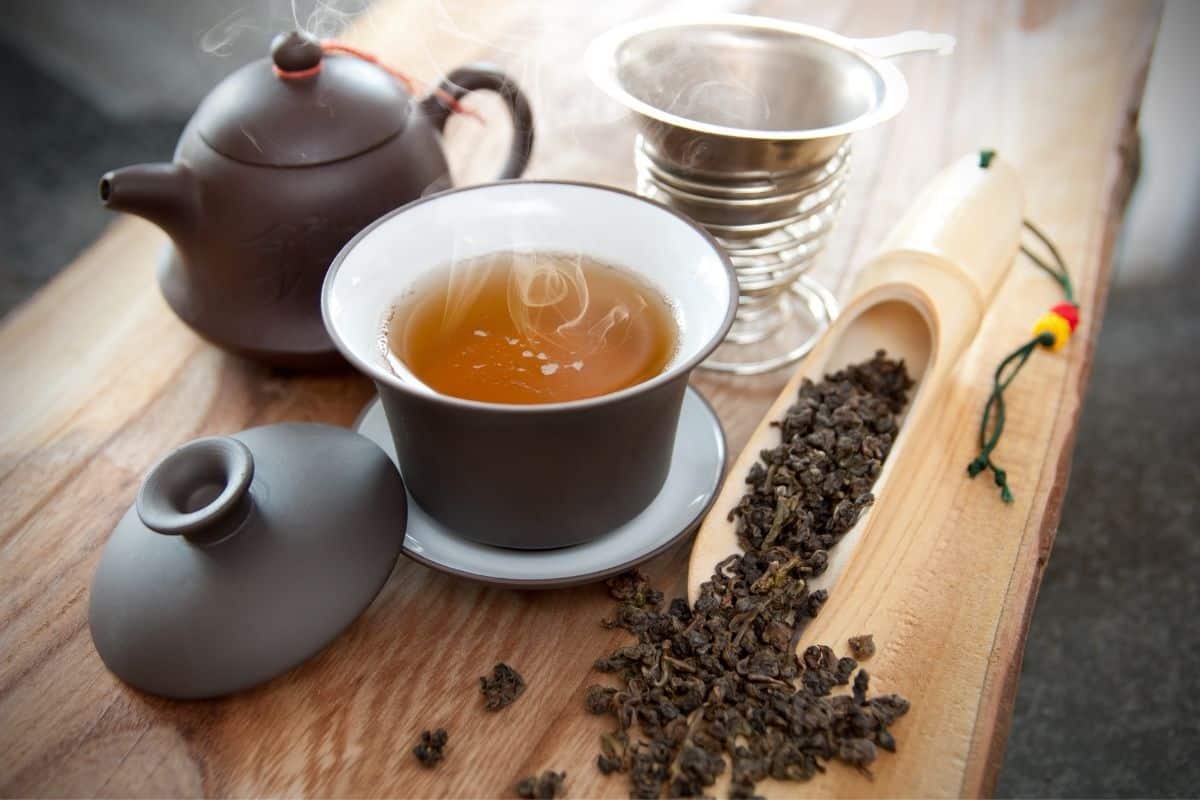
Oolong tea is most common in China and Taiwan, and it has grown in popularity in the West over the last couple of decades. It starts like black tea, with wilting. Then the leaves are tossed or shaken and only partly oxidized, so oolong is less grassy than green tea but not as dark as black tea. The leaves are rolled and dried, and many oolongs are finished by roasting, which has a big effect on the final taste.
How Tea Is Made, Step by Step
- Pick the leaves. Young leaves and buds are picked from the tea plant.
- Wilt them. The leaves are spread out to wither, in the sun or indoors, so they soften.
- Heat or roll them. For green and yellow tea, the leaves are steamed or pan fired right away. For black and oolong tea, they are rolled or crushed to release their juices.
- Let them oxidize, or not. Black tea oxidizes fully, oolong partly, and green, white, and yellow tea very little.
- Dry them. Drying stops the process and locks in the flavor.
- Sort and pack. Whole leaves become loose tea, and smaller pieces usually go into tea bags.
Tips for Tasting the Difference
- Brew them side by side. Try a black, green, and oolong tea in one sitting and compare the color and aroma.
- Use cooler water for delicate teas. Green and white tea can turn bitter with boiling water.
- Try loose leaf. You can see the difference in the leaves themselves. Here is bagged vs loose tea.
- Keep it fresh. Read how to store loose leaf tea and does tea expire.
- Try it cold. My cold brew iced tea works with every type.
- Look for quality. Here is what to know about organic tea.
More Tea Guides to Read
- Beginner’s Guide to Black Tea
- Beginner’s Guide to White Tea
- Beginner’s Guide to Green Tea
- Beginner’s Guide to Herbal Tea
- Pu’erh Tea Benefits
And if you love the story behind your cup, read the history of afternoon tea.
How Tea Is Made FAQs
Yes. Black, green, white, yellow, and oolong tea all come from Camellia sinensis. The way the leaves are processed is what makes them different. Herbal teas come from other plants.
Black tea leaves are rolled or crushed and fully oxidized, which makes them dark and strong. Green tea leaves are heated soon after picking, so they don’t oxidize and stay fresh and grassy.
Most tea is not truly fermented. When people say black tea is fermented, they usually mean oxidized. Some teas, such as pu’erh, are truly fermented and aged.
White tea. The young leaves and buds are simply withered and dried, with little or no rolling, which gives it a soft, delicate flavor.
Oolong is a partly oxidized tea. It sits between green and black tea in flavor and color, and many oolongs are roasted at the end.
Tea for bags is usually cut into small pieces, often with the crush, tear, curl (CTC) method, so it brews quickly. Loose leaf tea keeps the leaves whole.
Related Tea Guides


The different kinds of tea might all come from the same plant, but they are all made in different ways, and that gives each one its own flavor. If you have only tried black tea, why not try some others? Tell me your favorite in the comments, and come say hello on Instagram, Pinterest, and Facebook.
