Matcha is easy to recognize by its beautiful green color, but if you have never prepared it at home, you may wonder where to begin. Which Matcha should you buy? Do you really need a special whisk? And is it supposed to taste grassy?
As a tea enthusiast in Candiland, I enjoy learning about different teas and finding simple ways to serve them at home. Matcha is especially fun because you can drink it hot, pour it over ice, add milk, or try it with flavors such as strawberry, blueberry, vanilla, and lavender.
You don’t need an elaborate tea ceremony or a counter full of special equipment to get started. This beginner’s guide will help you choose Matcha, prepare it without lumps, and find a version you will actually look forward to drinking.
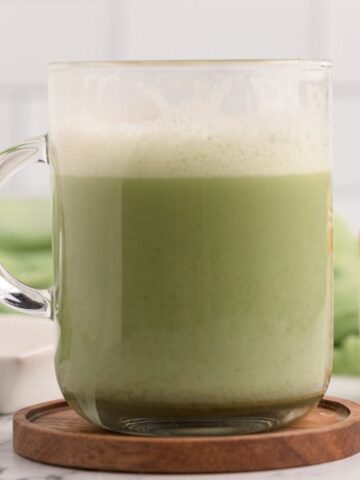
If you would rather begin with a creamy latte than plain Matcha, my Oat Milk Matcha Latte is an easy first recipe.
Jump to:
- What Is Matcha Tea?
- Is Matcha the Same as Green Tea?
- What Does Matcha Taste Like?
- Ceremonial Grade vs. Culinary Grade Matcha
- How to Choose Matcha Powder
- What Do You Need to Make Matcha?
- Related Recipes
- How to Make Matcha Without Lumps
- Why Is My Matcha Bitter?
- Matcha Tea vs. Matcha Latte
- Hot Matcha or Iced Matcha?
- New Matcha Flavors to Try
- Does Matcha Have Caffeine?
- Is Matcha Already Sweetened?
- How to Store Matcha
- Can You Bake With Matcha?
- What Foods Go Well With Matcha?
- FAQs for Matcha Tea
- Find Your Favorite Way to Enjoy Matcha
What Is Matcha Tea?
Matcha is a finely ground powder made from specially grown and processed green tea leaves.
When you make traditional green tea, the leaves are steeped in hot water and then removed. Matcha is different because the powder is whisked directly into the water and remains in your cup.
Matcha has been an important part of Japanese tea culture for centuries. Today, it is also used in lattes, smoothies, cookies, cakes, and other desserts.
Its bright green color and unique flavor have made it popular in coffee shops, but it is usually much less expensive to prepare at home.
Is Matcha the Same as Green Tea?
Matcha is a type of green tea, but it is grown, processed, and prepared differently from the green tea you may be used to drinking.
Brewed green tea is generally light and delicate. Matcha has a richer and more concentrated flavor because you are drinking the finely ground tea leaves instead of only the water in which they were steeped.
You will also notice a difference in the preparation. A tea bag can simply be dropped into a mug, while Matcha needs to be whisked or frothed into the water.
That extra step may sound complicated, but it only takes about a minute once you get used to it.
What Does Matcha Taste Like?
Good Matcha has a fresh, earthy, and slightly grassy flavor. It can also taste creamy, mildly sweet, or a little savory. You may hear that savory quality described as umami.
Matcha usually has a slight bitterness, but it should not taste unpleasantly harsh.
If your Matcha tastes very bitter, there could be a few reasons:
- Your water was too hot.
- You used too much Matcha powder.
- The Matcha is old.
- The powder is better suited for baking.
- You simply need a little milk or sweetener while getting used to the flavor.
I think a Matcha latte is one of the easiest ways to become familiar with Matcha. The milk softens its grassy flavor, and you can add a small amount of honey, maple syrup, or vanilla.
You don’t have to love plain Matcha to enjoy Matcha drinks. Finding the combination you like is part of the fun.
Ceremonial Grade vs. Culinary Grade Matcha
When you start shopping for Matcha, you will probably see the words “ceremonial grade” and “culinary grade.” The right one depends on how you plan to use it.
Ceremonial Grade Matcha
Ceremonial grade Matcha is generally intended for drinking. It should have a vibrant green color, a very fine texture, and a smoother flavor.
Choose ceremonial grade if you plan to whisk your Matcha with water or make a drink where the flavor of the tea will stand out.
Culinary Grade Matcha
Culinary grade Matcha generally has a stronger and slightly more bitter flavor. This allows it to remain noticeable when combined with flour, sugar, chocolate, milk, and other ingredients.
It is a good choice for cookies, brownies, cakes, smoothies, frosting, and other Matcha desserts.
Culinary Matcha is also usually less expensive. You don’t need to use your best drinking Matcha every time you bake a batch of cookies.
Matcha grading terms are not controlled by one universal system, so don’t rely on the label alone. Color, freshness, origin, packaging, and flavor also matter.
How to Choose Matcha Powder
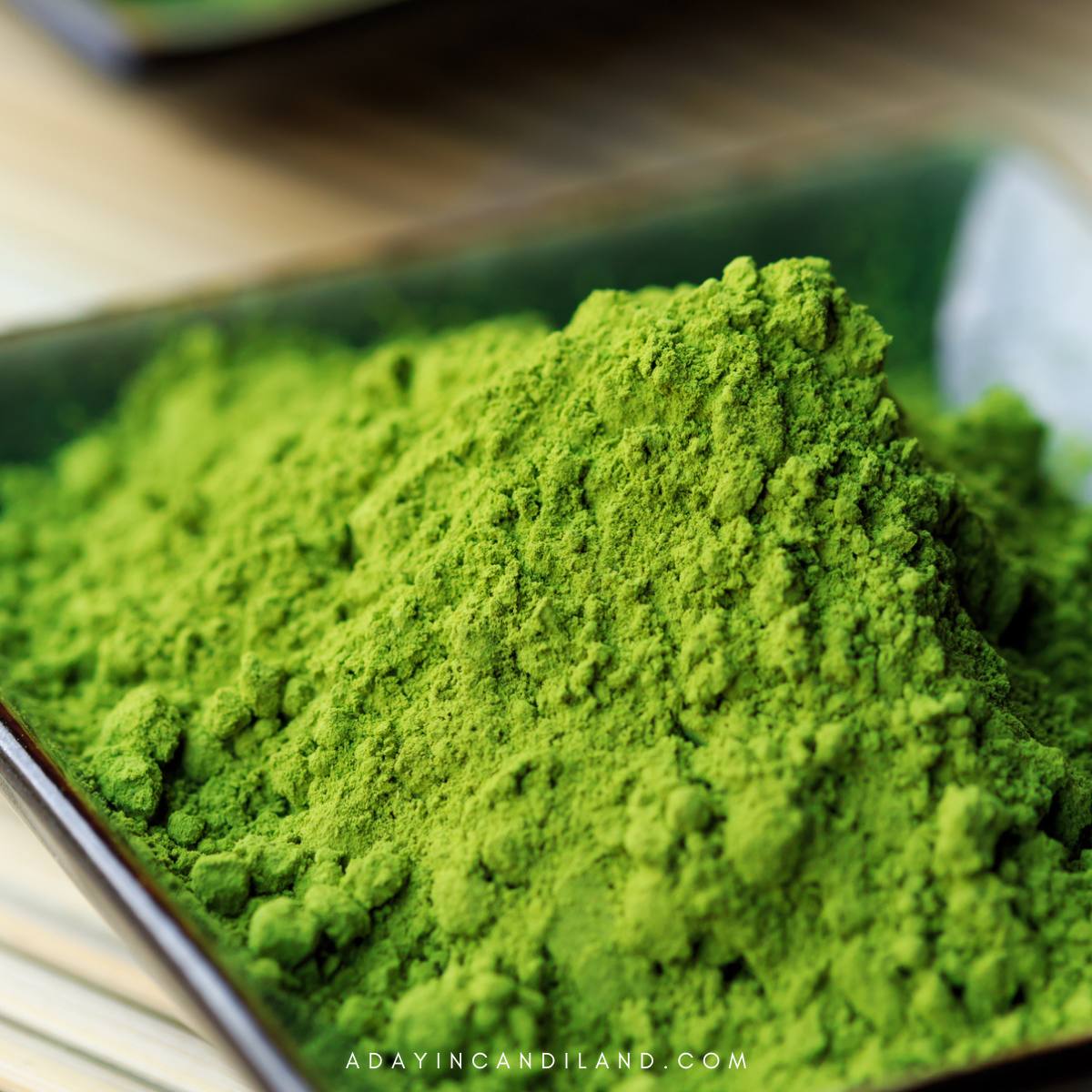
When buying Matcha, look for a powder with a vibrant green color. Matcha that appears dull, yellow-green, or brownish may be older, lower quality, or intended primarily for cooking.
Check the package for:
- Japan listed as the country of origin
- A fine, smooth powder
- A sealed, light-resistant container
- A harvest or packaging date, when available
- Clear preparation and storage instructions
- Pure Matcha rather than a sweetened latte mix
I would rather purchase a smaller container that I can use while it is fresh than a large package that sits in the pantry for months.
If you want more help comparing your choices, read my guide to selecting the Best Matcha Tea. It will help you decide what to buy based on whether you want to make traditional Matcha, lattes, or desserts.
What Do You Need to Make Matcha?
Traditional Matcha preparation uses a small tea bowl, a bamboo scoop, a sifter, and a bamboo whisk called a chasen.
These tools are enjoyable to use, but beginners don’t need to purchase an entire set immediately.
To make Matcha at home, you can begin with:
- A small bowl or wide mug
- A fine-mesh sifter
- A measuring spoon
- A small kitchen whisk, handheld milk frother, or bamboo Matcha whisk
- Matcha powder
- Hot water
A bamboo whisk helps create a smooth cup with a light layer of foam, but a handheld frother is convenient for everyday lattes.
If you decide to purchase a traditional whisk, my guide to choosing the Best Matcha Whisk explains what to look for and how to care for it.
Related Recipes
How to Make Matcha Without Lumps
Lumps are one of the most common problems for new Matcha drinkers. Fortunately, they are easy to prevent.
Start by sifting the Matcha into your bowl. The powder is extremely fine and naturally forms small clumps inside the container.
Next, add only a small amount of water. It is easier to whisk the Matcha into a smooth mixture before adding more water or milk.
Whisk briskly from side to side rather than stirring slowly in a circle. You are trying to move the Matcha through the water quickly and create a light foam.
If you don’t have a traditional whisk, use a handheld milk frother, small kitchen whisk, or tightly sealed jar. Add the Matcha and water to the jar, secure the lid, and shake until blended.
Why Is My Matcha Bitter?
Water temperature is often the reason Matcha tastes too bitter. Boiling water can overwhelm its smoother flavors.
Aim for water between 160°F and 175°F. If you don’t have a temperature-controlled kettle, let boiling water rest for several minutes before using it.
You may also be using too much powder. Start with ½ teaspoon and increase it gradually after tasting.
If cooler water and less powder don’t help, try a different Matcha. The powder you have may be older, lower quality, or intended for baking rather than drinking.
Milk and a small amount of sweetener can also soften the flavor while you are learning what you like.
Matcha Tea vs. Matcha Latte
Traditional Matcha tea is made with Matcha powder and water. A Matcha latte combines prepared Matcha with dairy or plant-based milk.
Matcha lattes may be served hot or iced and sweetened with:
- Honey
- Maple syrup
- Vanilla syrup
- Simple syrup
- Brown sugar syrup
- Agave
A latte is usually creamier, sweeter, and easier for new Matcha drinkers to enjoy.
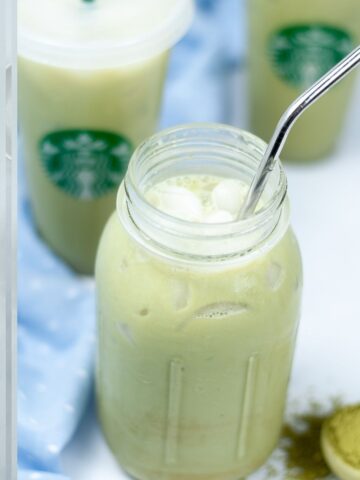
If the Matcha drink you usually order comes from a coffee shop, try making my Starbucks Iced Matcha Latte at home. It gives you that familiar creamy drink while allowing you to adjust the sweetness.
Hot Matcha or Iced Matcha?
This is completely a matter of preference—and possibly the weather.
Hot Matcha is nice in the morning or when you want to sit down with a warm drink and a good book. Iced Matcha is refreshing during warmer weather and makes a beautiful drink for brunch or an afternoon tea.
To make iced Matcha, prepare the Matcha with a small amount of warm water first. Fill a glass with ice, add your milk and sweetener, and then pour the prepared Matcha over the top.
Give it a good stir before drinking it.
Once you learn the basic method, you can start experimenting with flavored Matcha drinks.
New Matcha Flavors to Try
Plain Matcha and traditional Matcha lattes are only the beginning. Fruit, flavored syrups, and different types of milk can completely change the drink.
Some Matcha flavors you may enjoy include:
- Strawberry Matcha
- Blueberry Matcha
- Raspberry Matcha
- Mango Matcha
- Vanilla Matcha
- Lavender Matcha
- Coconut Matcha
- Honey Matcha
- Brown sugar Matcha
- White chocolate Matcha
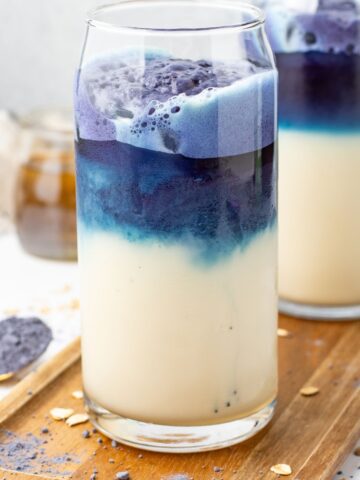
Strawberry and blueberry are especially nice for someone who is still getting used to Matcha’s grassy flavor. The fruit adds sweetness and creates beautiful layers in the glass.
Vanilla and honey are good choices if you want something simple. Lavender adds a light floral flavor, while brown sugar makes the drink taste a little richer.
You can find plenty of inspiration in my collection of Homemade Matcha Iced Lattes. Try one flavor at a time and see which combination becomes your favorite.
Does Matcha Have Caffeine?
Yes, Matcha naturally contains caffeine.
The exact amount will vary depending on the brand, serving size, and how much powder you use. Because Matcha is made with finely ground tea leaves, it generally contains more caffeine than traditionally brewed green tea.
If you are sensitive to caffeine, begin with ½ teaspoon and enjoy it earlier in the day. Also remember that coffee-shop recipes may use more Matcha than you would use at home.
If you are pregnant, breastfeeding, taking medication, or limiting caffeine for medical reasons, ask your healthcare provider how much caffeine is appropriate for you.
Is Matcha Already Sweetened?
Pure Matcha powder does not contain added sugar. Its natural flavor is earthy, grassy, and slightly bitter.
However, some packaged Matcha products are actually latte mixes containing sugar, powdered milk, or other ingredients. Read the ingredient list so you know whether you are purchasing pure Matcha or a sweetened mix.
Pure Matcha gives you more control because you can choose the milk and decide how much sweetener to add.
How to Store Matcha
Matcha is sensitive to air, light, heat, and moisture. Store it in a tightly sealed container in a cool, dark place and follow the manufacturer’s directions.
Some Matcha packages recommend refrigeration after opening. If you refrigerate yours, keep the container tightly closed and allow it to come closer to room temperature before opening. This helps prevent condensation from forming inside the container.
Always use a clean, dry spoon when measuring Matcha.
For the best flavor and color, purchase an amount you can use while it is still fresh.
Can You Bake With Matcha?
Matcha is not just for drinking. It can add an earthy tea flavor and a beautiful green color to baked goods.
Matcha pairs especially well with:
- White chocolate
- Dark chocolate
- Vanilla
- Lemon
- Strawberry
- Raspberry
- Coconut
- Almond
Culinary Matcha is generally the best choice for baking because its stronger flavor is less likely to disappear when combined with other ingredients.
My Matcha Green Tea Cookies are an easy way to try baking with Matcha. The chocolate chips balance the Matcha flavor and make the cookies a fun addition to an afternoon tea tray.
What Foods Go Well With Matcha?
Matcha’s earthy flavor pairs nicely with berries, citrus, vanilla, chocolate, and lightly sweetened baked goods.
Try serving it with:
- Strawberry or raspberry scones
- Lemon bars
- Shortbread cookies
- Vanilla cupcakes
- Fresh berries
- Tea sandwiches
- Tea cake
A sweet cookie or scone creates a nice balance with Matcha’s slightly bitter flavor.
For a casual tea with friends, serve an iced strawberry or blueberry Matcha latte with scones, small sandwiches, and a plate of cookies. The colorful drinks make the table feel special without requiring a complicated menu.
FAQs for Matcha Tea
Yes. A lightly sweetened Matcha latte is a good place to begin. Start with ½ teaspoon of Matcha so the flavor isn’t too strong, and adjust the amount after tasting it.
No. Matcha particles remain suspended in the water rather than dissolving completely. That is why Matcha needs to be whisked and may need another quick stir if it sits for several minutes.
Yes, but it usually blends more easily when whisked with a small amount of warm water first. You can then add cold water, milk, and ice.
Oat milk is creamy and slightly sweet, making it a popular choice. Dairy, almond, coconut, and soy milk also work. Try a few and see which one tastes best to you.
The color depends on the grade, age, quality, and storage of the powder. Matcha that looks dull or yellow-green may be older or intended primarily for cooking and baking.
Find Your Favorite Way to Enjoy Matcha
The best way to learn about Matcha is to start making it.
Begin with ½ teaspoon of good-quality Matcha, water that is hot but not boiling, and whichever whisk or frother you already own. Taste it with water, try it with milk, and add a small amount of sweetener if you need it.
Once you have the basic method down, try a strawberry, blueberry, vanilla, or lavender Matcha latte. You may discover that you prefer Matcha poured over ice, or you may enjoy making a warm latte to drink while reading in the afternoon.
There isn’t one correct way you have to enjoy it. Start simple, experiment with a few flavors, and make the cup that tastes best to you.