

If you’ve ever wondered what makes herbal tea different from black, green, or white tea, you’re not alone. The answer is actually pretty simple.
Herbal tea is made by steeping flowers, herbs, fruits, spices, leaves, or roots in hot water. And here’s the interesting part—it isn’t technically tea at all!
One of the nicest things about herbal tea is that it fits into those quieter moments of the day. Pour a cup and take it outside while you sit in the garden, curl up with a good book in the afternoon, or make a warm caffeine-free tea at night while you’re watching your favorite show.
You can even turn it into a special afternoon and use these Tea Party for Two ideas to enjoy tea and a few treats with a friend.
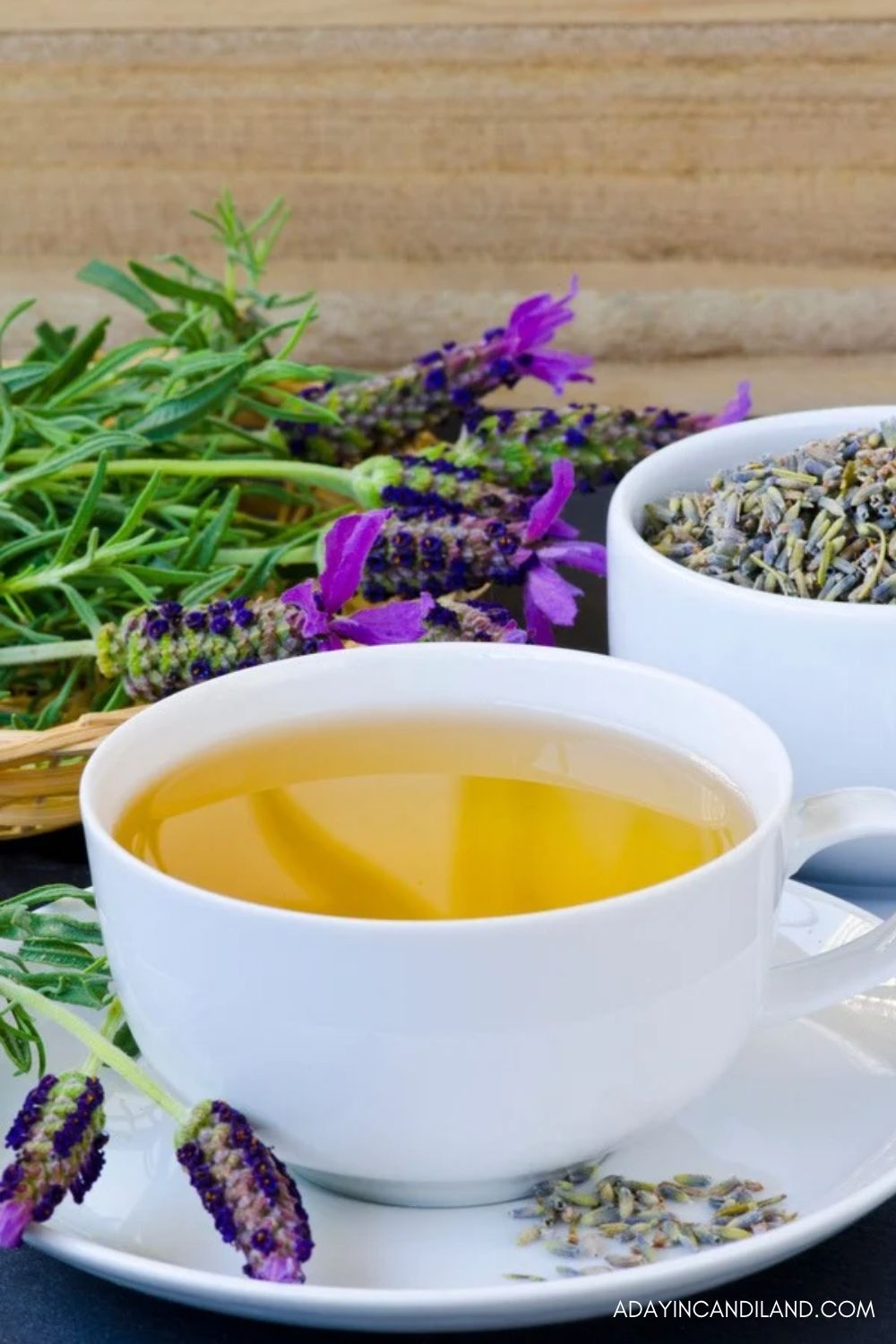
Sometimes the simple routine of choosing a tea, brewing it, and sitting down to enjoy it for a few minutes is just as nice as the tea itself.
If herbal tea is new to you, my Beginner’s Guide to Herbal Tea is a great place to start when you’re ready to explore different varieties, flavors, and simple brewing tips.
But first, let’s take a closer look at what herbal tea actually is and what’s really in your cup.
Jump to:
- Is Herbal Tea Really Tea?
- What Is Herbal Tea Made From?
- What Does Herbal Tea Taste Like?
- Why Are Herbal Teas Called Tisanes?
- Herbal Tea vs. Traditional Tea
- Why Are Herbal Tea Blends So Popular?
- Loose Herbal Tea vs. Tea Bags
- Can You Make Herbal Tea With Fresh Herbs?
- Is Herbal Tea Caffeine-Free?
- Herbal Tea Hot or Iced?
- What to Enjoy With Herbal Tea
Is Herbal Tea Really Tea?
Technically, no.
Traditional teas such as black, green, oolong, and white tea all come from the Camellia sinensis plant.
Herbal tea comes from other plants. You might also hear it called an herbal infusion or tisane.
But unless you’re trying to impress someone with your tea vocabulary, calling it herbal tea works just fine.
What Is Herbal Tea Made From?
This is where herbal tea gets interesting because almost every blend can be completely different.
Depending on the tea, your cup might contain:
- Flowers such as chamomile, hibiscus, rose, or lavender
- Leaves such as peppermint or lemon balm
- Roots such as ginger
- Fruit and berries such as apple, rosehips, or elderberry
- Spices such as cinnamon or cloves
Many herbal teas combine several of these ingredients into one blend.
That’s why two boxes labeled “herbal tea” can taste nothing alike.
What Does Herbal Tea Taste Like?
There isn’t one particular herbal tea flavor.
Some herbal teas are light and floral, while others are fruity, tart, minty, spicy, earthy, or naturally sweet.
Hibiscus, for example, is tart and fruity. Peppermint is cool and refreshing, while chamomile is much softer and more floral. Ginger brings a warm, spicy flavor.
This makes herbal tea a fun choice if you think you don’t like traditional tea. There are so many different flavor combinations that you may simply need to find the right one.

Why Are Herbal Teas Called Tisanes?
You may occasionally see the word tisane on a tea menu or package.
A tisane is simply an infusion made by steeping plant material other than traditional tea leaves in water.
In everyday conversation, most people simply call it herbal tea.
So if you order a chamomile tisane and your friend orders chamomile herbal tea, you’re essentially ordering the same thing.

Herbal Tea vs. Traditional Tea
One easy way to remember the difference is to think about where the drink begins.
Traditional tea = tea leaves.
Herbal tea = flowers, herbs, fruits, spices, roots, and other plants.
Traditional tea comes from the Camellia sinensis plant. Herbal tea doesn’t.
Another difference is caffeine. Traditional tea naturally contains caffeine, while most herbal teas are naturally caffeine-free.
There are exceptions, especially with blended teas, so it’s always worth checking the ingredients on the package.
Why Are Herbal Tea Blends So Popular?
One of the best things about herbal tea is how easily flavors can be combined.
A tea maker might pair chamomile with lavender, ginger with lemon, peppermint with other herbs, or hibiscus with berries and fruit.
Blending can soften a strong flavor or create something completely different.
If you’ve tried one herbal tea and didn’t like it, don’t give up on the entire category. A fruity hibiscus blend is completely different from chamomile or peppermint tea.
Loose Herbal Tea vs. Tea Bags
Herbal tea can be found both loose and in tea bags, and either one can make a good cup.
Tea bags are convenient and make it easy to try different flavors without buying a lot of tea.
Loose herbal tea lets you see the individual flowers, leaves, fruit, and spices in the blend. It can also give those larger ingredients more room to expand while they steep.
There’s no need to make this complicated. Choose whichever method fits the way you like to make tea.
Can You Make Herbal Tea With Fresh Herbs?
Yes, and this can be a fun way to experiment with herbs you may already have growing at home.
Fresh mint is probably one of the easiest places to start. Place washed mint leaves in a cup or teapot, pour hot water over them, let them steep, and strain before drinking.
Lavender, lemon balm, and other edible herbs can also be used for herbal infusions.
Just be certain that anything you’re using is edible and intended for culinary use.
If growing your own herbs sounds interesting, take a look at my How to Grow an Herbal Tea Garden for more ideas.
Is Herbal Tea Caffeine-Free?
Most herbal teas are naturally caffeine-free because they don’t contain leaves from the Camellia sinensis tea plant.
This is one reason herbal tea is so popular later in the day.
However, some herbal blends include black, green, or other caffeinated tea, so check the ingredient list if avoiding caffeine is important to you.
Herbal Tea Hot or Iced?
Herbal tea isn’t just a cool-weather drink. Many varieties are wonderful served over ice.
Fruit, berry, hibiscus, citrus, and mint blends are especially refreshing cold. Floral teas such as chamomile and lavender tend to feel a little softer and are lovely served warm.
Try the same tea both ways—you might be surprised at how different the flavor seems when it’s chilled.
What to Enjoy With Herbal Tea
Of course, a cup of tea is even better when there’s a little something to enjoy with it.
For a light floral tea such as chamomile or lavender, try it with Lemon Poppy Seed Scones or a simple shortbread cookie. Fruity herbal teas such as hibiscus are delicious with Classic Tea Scones and Clotted Cream, especially in the afternoon.
If you want a few more ideas, browse these Tea Party Cookies for something sweet to serve alongside your cup.
And if you’re taking your tea outside, why not make a little afternoon of it? My Garden Tea Party Ideas has plenty of inspiration for enjoying tea and a few treats outdoors with friends.

Winter Redd says
I love herbal teas! In fact, a couple of my friends and I are putting recipes together so we can start our own tea business at our farmer's market. It has been grand trying different combination out and finding local ingredients/growing our own ingredients. I also look forward to our weekly meetings that I like to call Tea Time, where we talk business, but also uplift and strengthen one another in our other endeavors too! It's so awesome! Thanks for pointing out the many benefits of tea–good selling points to note for our business! Stopping by The SITS Girls!
My recent post S'mores Cupcakes
Candi says
How exciting about your tea business. I am drinking an herbal tea right now that is green with pomegranates. I don't think our farmers market has something like that. Best of wishes for your group.
@acookieb4dinner says
My favorite "tea" is iced ginger tea. I've drank it by the gallon with this pregnancy. Thankfully, it isn't hard to DIY as long as you don't mind grating your own ginger!
Candi says
Oh, ginger tea sounds good. I am trying to ween myself off of black tea and working on some herbals right now. I need to grow some more herbs and have fun with it. Thanks for stopping by.
acookiebeforedinner says
I love herbal tea! Peppermint is my favorite!
Candi says
I love peppermint too. I'll have to pop over to your blog and see about Christmas in July.
My recent post Blueberry Mint Iced Tea