
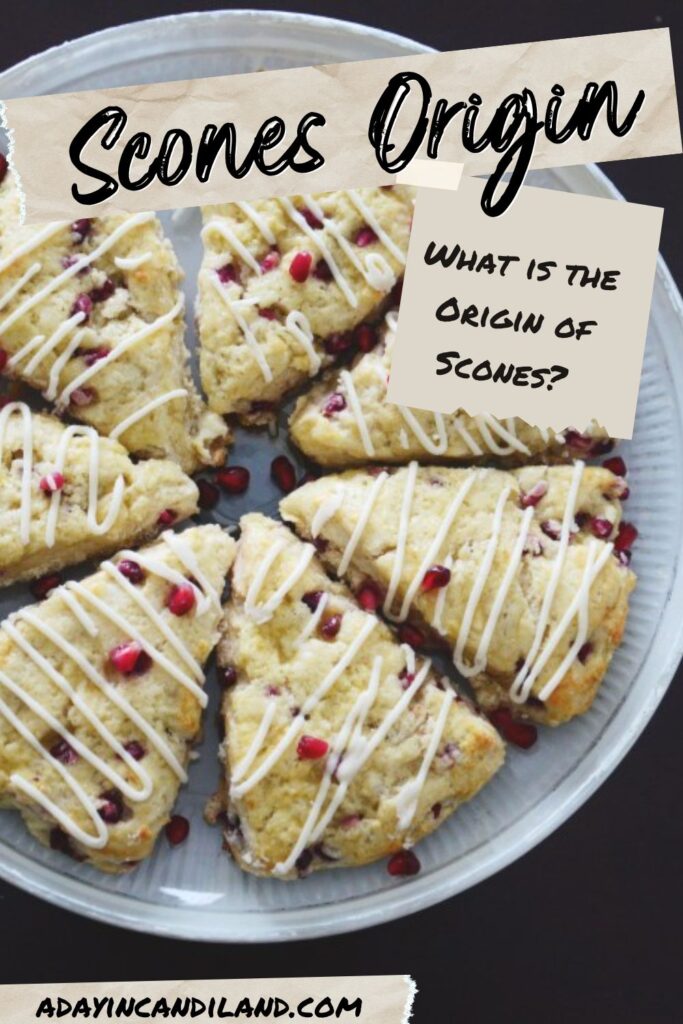
The origin of scones dates back hundreds of years to Scotland, where these simple baked treats were quite different from the buttery scones we enjoy today. Over time, scones became a favorite part of British afternoon tea and are now enjoyed in many delicious varieties around the world.
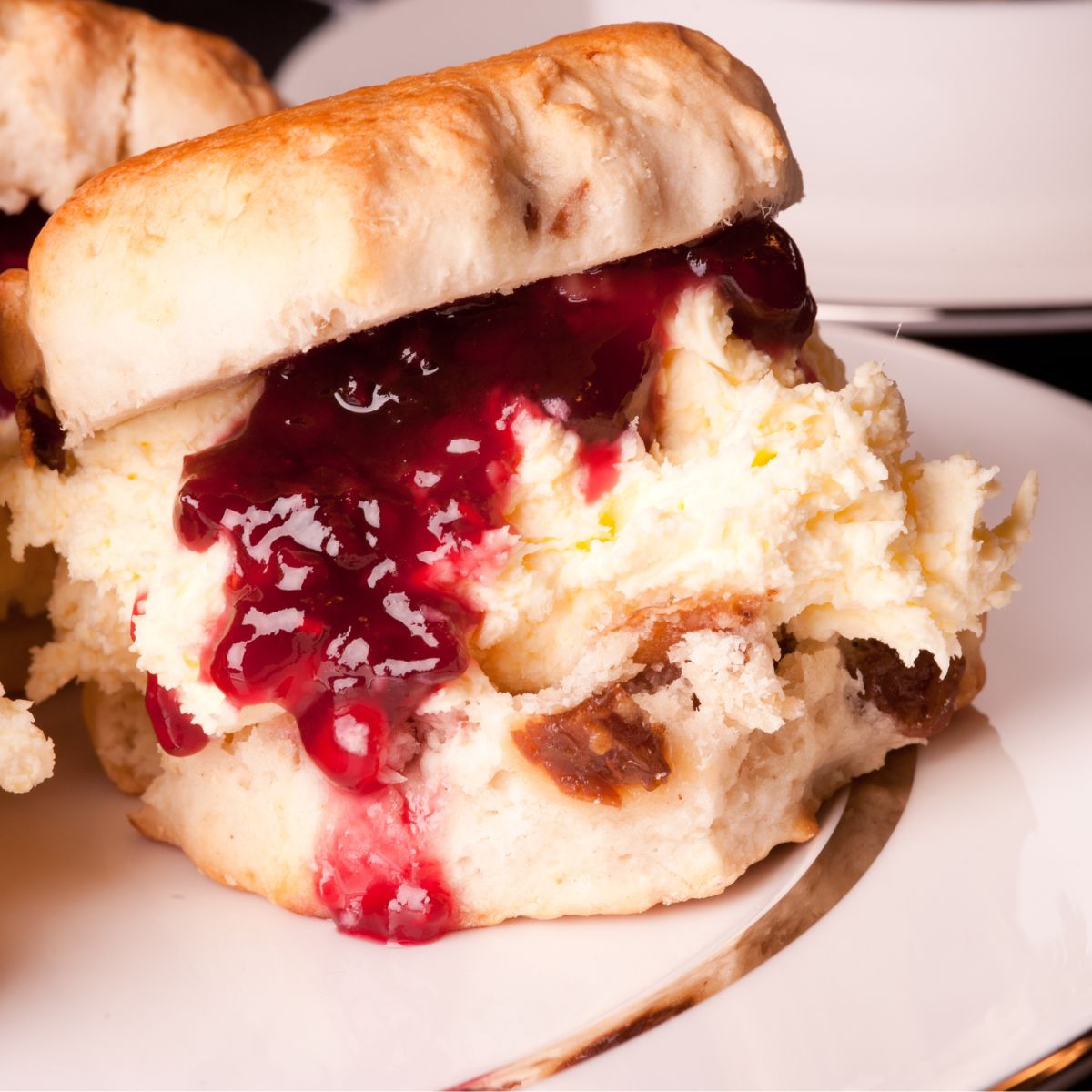
I love serving freshly baked scones with a cup of tea, whether it’s a traditional scone with jam and clotted cream or something a little sweeter. If you enjoy baking them as much as I do, you’ll love my Top Tips for Baking Scones.
Let’s explore the history of scones, how they’ve changed over the years, and why they’re still such a beloved tea time treat.
Quick Look
- 🏴 Origin: generally believed to be Scotland
- 📜 First Records: at least the early 1500s
- 🌾 Early Scones: often made with oats and cooked on a griddle
- ☕ Afternoon Tea: became part of the tradition in 19th century Britain
- 🇬🇧 British vs American: round and lightly sweet vs triangular and sweeter
- 🍓 Classic Topping: clotted cream and jam
Quick Answer
Scones are generally believed to have originated in Scotland, with their history dating back to at least the early 1500s. Early versions were often made with oats and cooked on a griddle rather than baked in an oven. Over the centuries, scones evolved into the lighter, flour based baked goods we recognize today, and they became closely associated with British afternoon tea, especially during the Victorian era.
Jump to:
What Is a Scone?
Click to see what makes a scone
- A quick bread. A scone is typically made with flour, butter, a liquid such as milk or cream, and a raising agent such as baking powder.
- No long rise. Unlike yeast breads, modern scones do not need hours to rise. They can be mixed, shaped, and baked in a relatively short time.
- Sweet or savory. Scones can be round or triangular, and served plain or with additions such as dried fruit, chocolate chips, cheese, or herbs.
- Texture varies. Some are light and fluffy, while others have a slightly crumbly texture with buttery layers.
Why We Still Love Scones
- They are easy to share. You don’t need an elaborate tea party to enjoy them.
- They turn an ordinary afternoon into something special, with a favorite teacup and a little time with a friend.
- There is a flavor for every season, from fruit to pumpkin to savory cheese and herbs.
- They are quick to make, with no hours of rising.
- They come with a fun debate: jam first or cream first?
- They are at the heart of afternoon tea. Read the history of afternoon tea.
The History of Scones: From Scotland to Afternoon Tea
Early Scottish Scones
The history of scones is commonly traced to Scotland, where early versions were quite different from the scones we enjoy today. These early breads were often made with oats and cooked on a griddle or flat cooking surface. They were sometimes shaped into a round and cut into triangular sections.
The exact origin of the word “scone” is uncertain, and historians have suggested several possible explanations. Scones gradually changed as baking methods and ingredients became more widely available. Wheat flour became increasingly common, and the development of modern chemical raising agents helped create the lighter texture we associate with scones today.
How Scones Became Part of British Afternoon Tea
One of my favorite things about scones is their connection to afternoon tea. The tradition of afternoon tea became fashionable in Britain during the 19th century and is often associated with Anna, the seventh Duchess of Bedford. As afternoon tea grew in popularity, small cakes, sandwiches, and baked goods became part of the experience, and scones eventually became one of its most recognizable treats. Today, a traditional English afternoon tea often includes scones served with clotted cream and jam, also known as a cream tea.
British Scones vs American Scones
Although British and American scones share a common history, they are often prepared and served differently.
| British Scones | American Scones |
|---|---|
| Usually round | Often triangular |
| Generally lightly sweetened | Frequently sweeter |
| Often plain or made with currants | Commonly made with fruit, chocolate, or spices |
| Usually served with jam and cream | Often topped with icing or glaze |
| Popular at afternoon tea | Popular for breakfast, brunch, and coffee breaks |
These are general differences rather than strict rules. There are plenty of variations on both sides of the Atlantic. Over time, scones have developed into many different flavors and styles:
- Traditional tea scones are generally lightly sweetened and delicious served with jam, butter, or clotted cream. My Tea Scones Recipe is a lovely choice for an afternoon tea gathering.
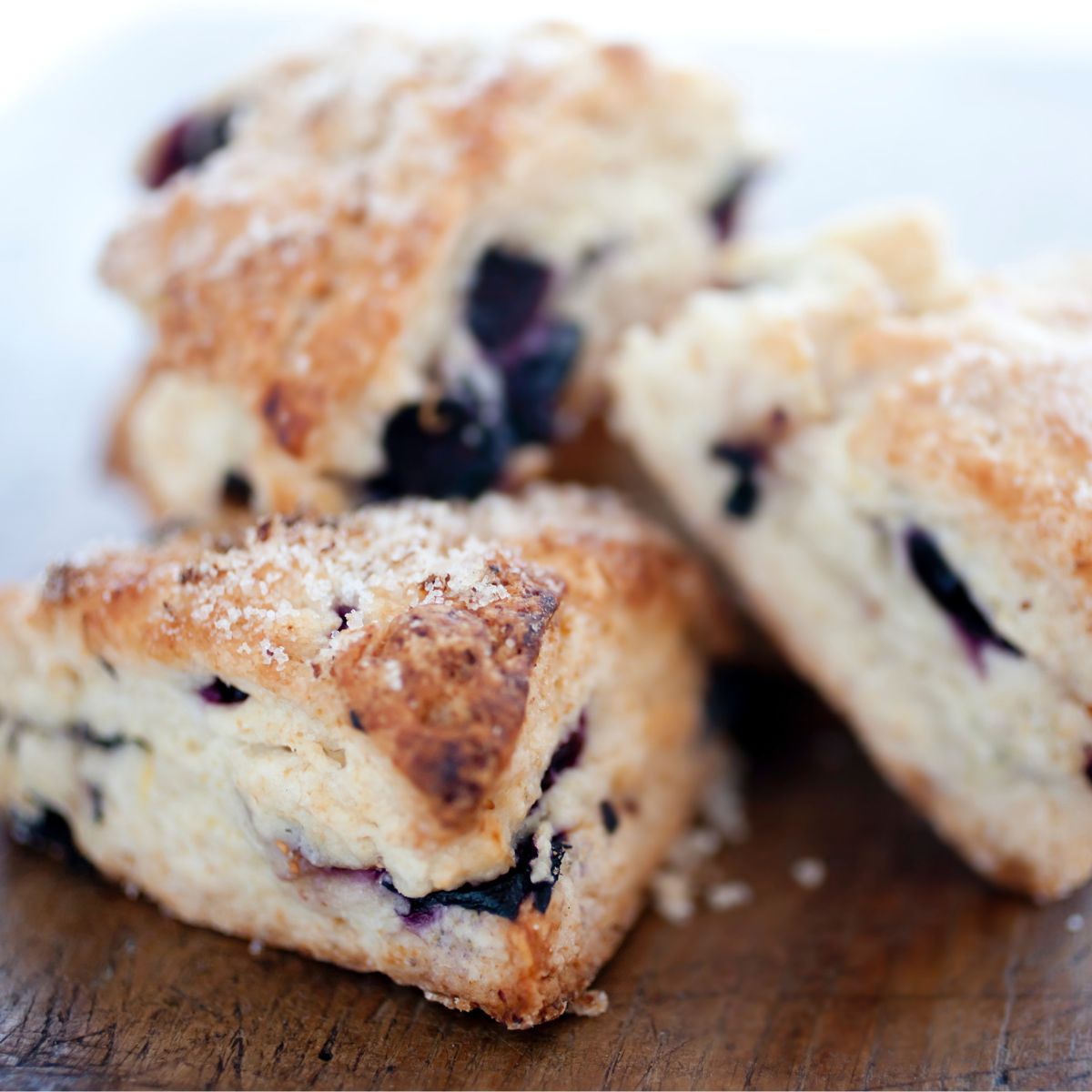
- Fruit scones may contain currants, raisins, blueberries, cranberries, or other dried and fresh fruits. Try my White Chocolate Raspberry Scones; the raspberries add a little tartness that pairs beautifully with the sweet white chocolate.
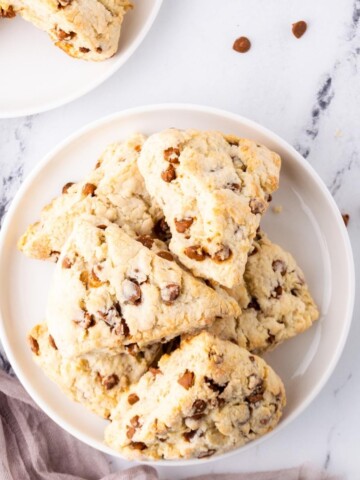
- Sweet American style scones often include chocolate chips, pumpkin, cinnamon, or a sweet glaze. My Pumpkin Spiced Scones are a favorite for fall baking, especially with a cup of chai tea.
- Savory scones can include cheese, herbs, and other flavorful ingredients. They are delicious with soups, salads, or brunch. Browse these 17 Savory Scone Recipes.
How to Serve Scones for Afternoon Tea
- Start with freshly baked scones. A small plate, a favorite teacup, and a little time with a friend can make an ordinary afternoon feel special.
- Set out the toppings: clotted cream, strawberry or raspberry jam, lemon curd, and softened butter.
- Settle the great debate. In Cornwall, jam traditionally goes first, followed by cream. In Devon, the cream traditionally goes first. Personally, I think the best way is whichever tastes best to you.
- Brew a pot of tea. Here is how to make a pot of tea.
- Share it. For more ideas on sharing tea with someone special, visit my Tea for Two guide.
Tips for Baking Delicious Scones
After making many different scone recipes, I’ve learned that a few simple techniques can make a big difference.
- Keep your butter cold. Cold butter helps create those tender, flaky layers. I often grate frozen butter into my flour mixture.
- Don’t overmix your dough. Mix just until the ingredients come together. Too much handling can make the scones tough.
- Measure your flour carefully. Too much flour can make your scones dry and crumbly.
- Chill the shaped scones before baking. This can help them hold their shape and reduce spreading.
- Watch the baking time. I like to check my scones a minute or two before the timer goes off so they don’t become overbaked.
- Helpful equipment: a Pastry Blender for cutting cold butter into flour, Round Fluted Biscuit Cutters for traditional British scones, and Afternoon Tea Cookbooks for more traditional tea recipes.
For more baking advice, read my complete guide to the Top Tips for Baking Scones.
More Scone Recipes to Try
Now that you know a little more about the origin of scones, why not bake a batch yourself? Here are a few favorites from A Day in Candiland:
- Tea Scones with Clotted Cream
- Earl Grey Scones
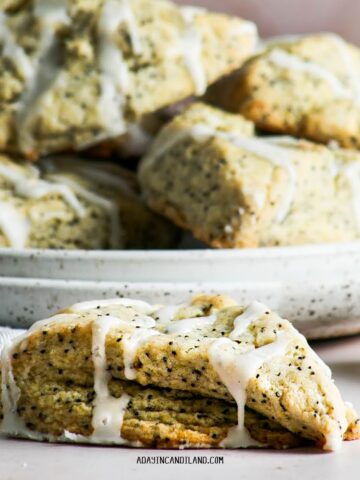
- Lemon Poppy Seed Scones
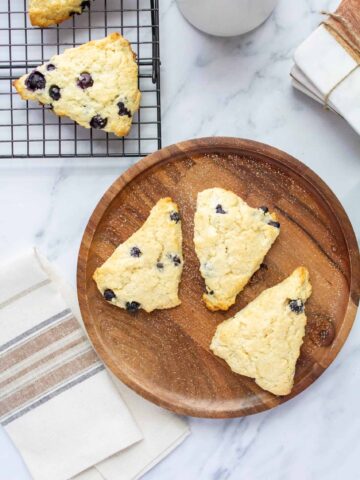
- Blueberry Scones
- Cranberry Orange Scones
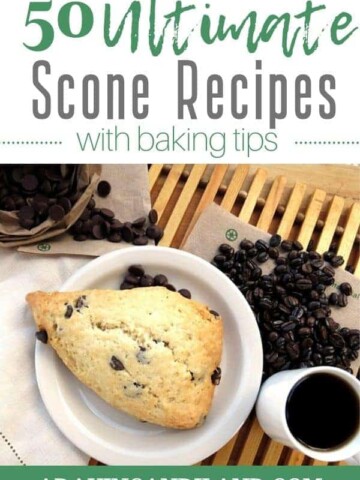
- 50 Scone Recipes and Flavor Ideas
And if you’re planning a gathering, my How to Host a Tea Party guide will help you put it all together.
Scone History FAQs
Scones are generally believed to have originated in Scotland. Over time, they became popular throughout Britain and developed a strong association with English afternoon tea.
Scones have a history dating back to at least the early 16th century, although their precise beginnings are not completely documented.
Scones became associated with British afternoon tea as the tradition developed during the 19th century. Today, they are one of the most recognizable foods served at afternoon tea.
American biscuits and British scones share some similarities, but biscuits are generally savory, while British scones are often lightly sweetened. American scones frequently contain more sugar and sweet additions.
Both pronunciations that rhyme with “gone” and “cone” are used. Pronunciation varies by region and personal preference.
It depends who you ask. In Cornwall, jam traditionally goes first, followed by cream. In Devon, the cream goes first. The best way is whichever tastes best to you.
Related Scone Recipes
From their humble beginnings in Scotland to the beautiful afternoon tea tables of today, scones have a history worth sharing. Jam first or cream first? Tell me in the comments, and come say hello on Instagram, Pinterest, and Facebook.
Until next time, keep life sweet, one cup at a time.
